
· By OtsukiYozo
Will coffee become a luxury item in 2050? Rising prices point to the future of coffee
Your morning coffee may become a luxury item in the future.
Due to climate change and global supply issues, coffee bean prices have skyrocketed in recent years. International prices have already reached their highest levels in decades, and some are worried that coffee will become a luxury item if things continue this way. Why are coffee prices rising, and what will happen in 2050? Let's take a look at the reasons, future predictions, and what we can do to address the issue, all in an easy-to-understand way, even for beginners.
Why are coffee prices rising now?
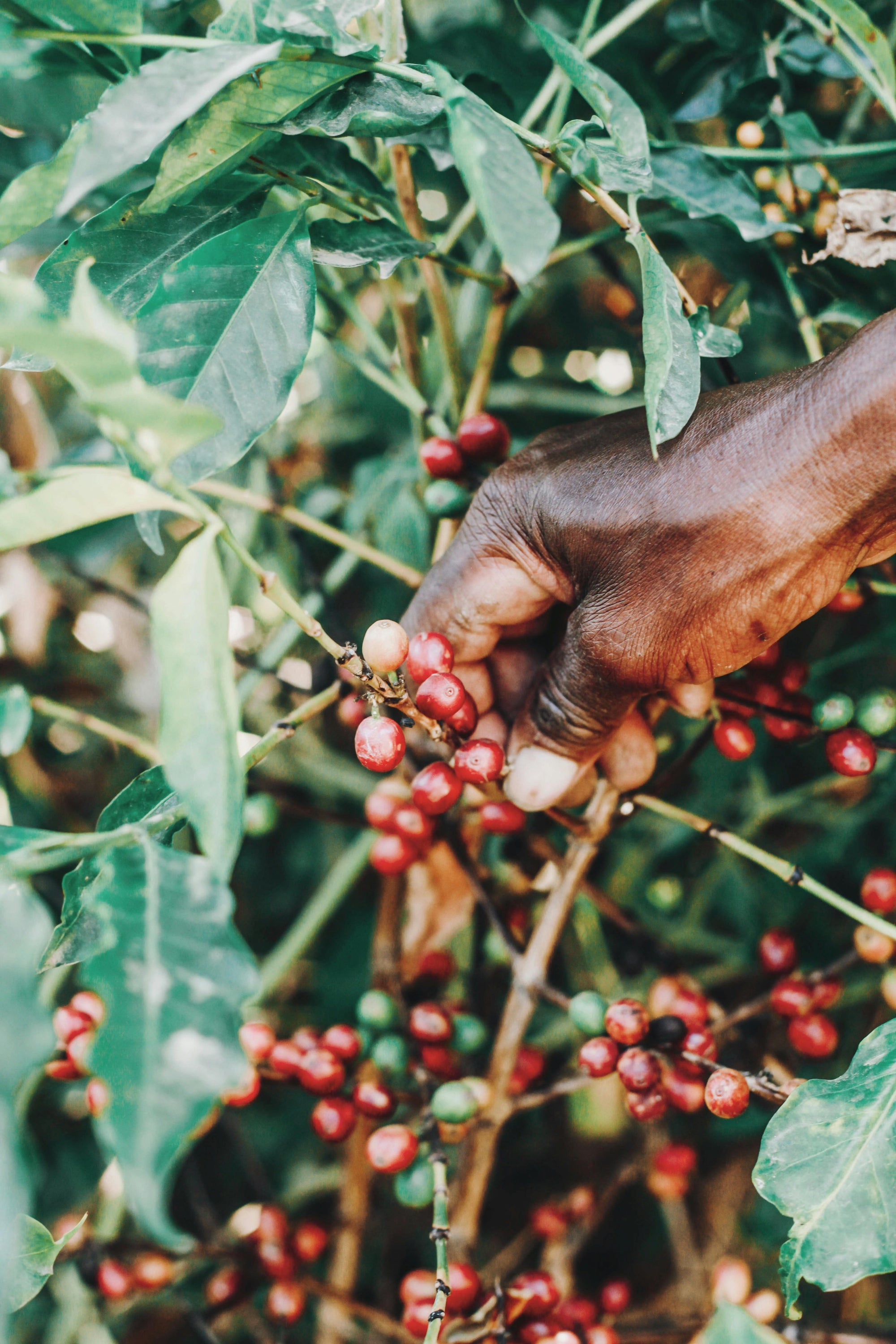
Due to the effects of climate change, harvests in major producing regions are declining. Severe droughts continue in producing countries such as Brazil and Vietnam, raising concerns that this will affect next year's supply. Let's take a look at the main reasons behind the current price hike.
- Declining production due to climate change : Frequent extreme weather events are causing declines in coffee bean yields. Lack of rain and persistently high temperatures are having a major impact on the crop.
- Supply chain disruptions : The COVID-19 pandemic has disrupted logistics and caused container shortages, resulting in delays in transportation and reduced inventory. Rising transportation costs are also contributing to price hikes.
- Labor shortages and rising production costs : The number of coffee farmers is decreasing, and the aging population and labor shortages are becoming serious issues. Furthermore, rising prices for fertilizer and fuel are increasing production costs, putting pressure on farmers' businesses.
- Increasing demand : The number of coffee drinkers is increasing, especially in Asia, and demand is booming in emerging countries. The global coffee boom is driving up consumption and prices.
- Speculative market activity : Supply insecurity has led to increased speculation in the coffee bean futures market, causing price fluctuations. Investors' large-scale buying and selling can sometimes drive prices higher than actual demand.
These factors have combined to cause coffee bean prices to soar abnormally. In fact, in 2024 they hit their highest price in approximately 47 years. The price of green beans, which used to be $1-2 per pound, has recently soared to nearly $4. This sudden rise has surprised both consumers and the industry.
How much will coffee cost in 2050? Future predictions
If this trend continues, what will coffee be like in 2050? Researchers warn that "we're only just beginning to see what will happen."
According to one estimate, rising temperatures will reduce the area suitable for growing Arabica coffee to about half of its current size by 2050. Climate change is likely to make areas that were previously suitable for coffee cultivation unsuitable.
Furthermore, rising temperatures will lead to outbreaks of coffee diseases and pests, making production even more difficult. If supply decreases, prices will naturally rise, and if production were to be halved, the price of beans could more than double . Unless demand declines, coffee beans will become more valuable and fetch high prices.
Currently, the price of green coffee beans is around $3-4 per pound (about 450g), but it is predicted that this could reach $10-15 per pound by 2050, which is three to five times the current price.
It is also likely to have an impact on retail prices.
- Convenience store coffee (currently around 150 yen) → 500-700 yen
- Hand-dripped coffee at cafes (currently around 500 yen) → 1,500 to 2,000 yen
- Specialty coffee (currently around 1,000 yen) → 3,000-5,000 yen
High-quality specialty coffee in particular will become harder to obtain and may be treated as a luxury item for a select few. In the future, coffee may become something to be enjoyed on special occasions, just like wine and whiskey are today.
The impact of rising coffee prices: consumers and producers
So, what impact does rising coffee prices have on us consumers and producers?
Impact on consumers
- Rising prices could make coffee less available.
- A cup of coffee at a convenience store or cafe could become several times more expensive than it is now.
- Concerns about a decline in quality due to climate change mean that "good coffee" will become even more valuable.
Impact on producers
- Approximately 25 million people worldwide depend on coffee production for their livelihood.
- If the harvest volume drops dramatically, producers will no longer be able to make a living.
- Smaller farmers tend to have less financial resources to adapt to climate change and are more likely to face difficulties.
- The decline in production could also affect employment in the distribution and service industries.
Rising coffee prices and supply instability are not just a matter of consumer preference; they are also major challenges that affect coffee-producing communities and the global economy.
What you can do to protect the future of coffee
Let's think about what we can do now to ensure that future generations can enjoy delicious coffee.
- Strengthening climate change measures : Stopping global warming is of utmost importance. Reducing greenhouse gas emissions and limiting temperature rises is key to protecting coffee production in the long term.
- Development of new varieties and technological innovation : Research is progressing on sustainable cultivation techniques, such as the development of new varieties that are resistant to high temperatures and pests, shade tree farming that utilizes the shade of trees in forests, and the introduction of irrigation facilities.
- Transition to sustainable agriculture and support for producers : A shift to environmentally friendly, sustainable agriculture is necessary. Regenerating forests and growing crops in the shade to mitigate high temperatures and dryness is an effective approach.
- What you can do as a consumer : There are actions you can take in your daily life, such as choosing fair trade or organic coffee, and supporting roasters and cafes that support small producers.
The situation for coffee is tough, but we have the power to change the future. By taking action against climate change, supporting farmers, and choosing a fair cup of coffee, we could ensure that the world will still be able to enjoy great tasting coffee in 2050.
Every morning, when you grab your cup, think about the global story behind it – and how we can change the future of coffee.