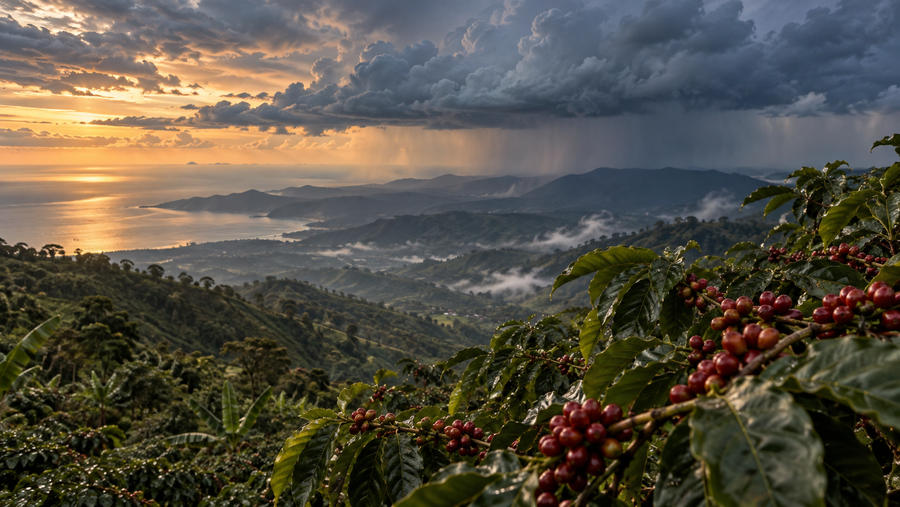
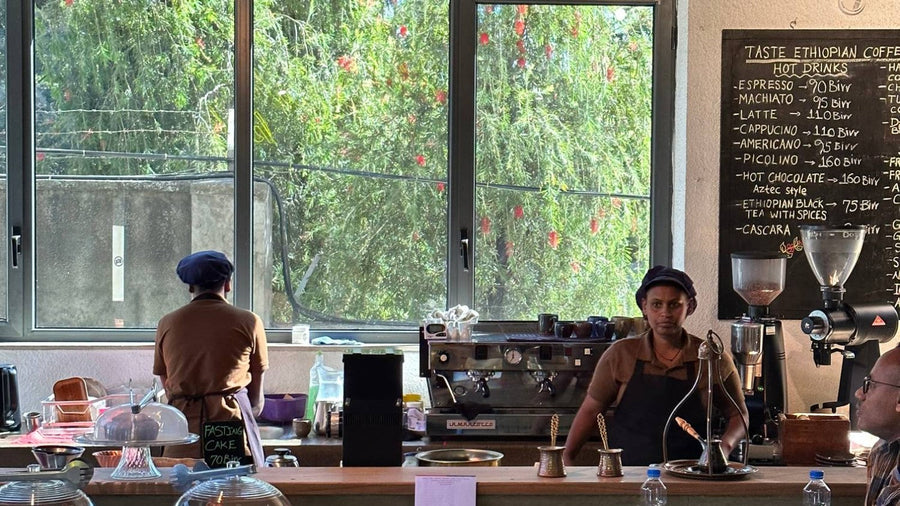
In April 2025, US President Donald Trump suddenly announced a large-scale tariff policy of imposing a uniform 10% additional tariff on all imports. What shocked the world in particular was the full-scale introduction of tariffs on coffee beans . This was an unprecedented move, as the US had hardly imposed any tariffs on raw coffee beans up until then.
Furthermore, as a result of the adoption of different "reciprocal tariff" systems by each country, an extremely high rate of 46% in total has been imposed on Vietnamese coffee beans. This is a major blow to Vietnam, the world's second largest coffee producer, and the repercussions are spreading worldwide, affecting the entire coffee industry.
In this article, we will summarize the impact of the US tariff measures, discuss their impact on Japan's coffee market, and explore the path to the future from the perspective of sustainability. Finally, we will consider what we can do now to protect a rich coffee-based society, using the example of "2050 coffee," a fictional brand that has attracted attention for its sustainable initiatives.
1. US Tariff Policy: Why 46% Tariff on Vietnamese Coffee?
The Trump administration has adopted the concept of "reciprocal tariffs," determining tariff rates as a form of "retaliatory action" against countries that impose high tariffs or non-tariff barriers on American products. Vietnam has had a large trade surplus with the United States, and was deemed to have imposed high tariffs on multiple products, resulting in an extremely high tariff rate of 46%.
-
Vietnam (2nd in global market share) : 46% tariff
-
Robusta is the main variety used in instant coffee.
-
-
Indonesia (around 4th place) : 32% tariff
-
This is also mainly Robusta, and there is high demand from confectionery and beverage manufacturers.
-
-
Brazil (1st) / Colombia (3rd) : 10% tariff
-
The main focus is on high-quality Arabica, but there is also the structural issue of small profits for producers.
-
Vietnamese President Lam immediately held a telephone conversation with President Trump and made an urgent proposal, saying, "Vietnam is prepared to reduce its tariffs on U.S. products to zero." He is also calling on the U.S. side to do the same. This move has attracted global attention, with food and beverage industry groups in the U.S. submitting a request stating, "Tariffs should not be imposed on raw materials that cannot be produced in the U.S., such as coffee and cocoa." Depending on the outcome of future international negotiations, it is believed there is a good chance that tariffs on coffee beans will be lifted or relaxed .
2. What will happen to the global coffee market? Impact on prices and supply chains
(1) Shift in export destinations among producing countries and supply restructuring
Coffee beans from Vietnam and Indonesia, which are subject to high tariffs, are at risk of a sharp decline in exports to the United States. As a result, major US manufacturers are expected to switch their procurement sources to other producing countries (Brazil, Central America, African countries, etc.). If this happens, Robusta beans from Vietnam and Indonesia that have nowhere to go could end up flowing into Europe and Japan, leading to an oversupply of Robusta beans and a drop in prices .
(2) Volatility in coffee futures prices
Immediately after the tariff measures were implemented, international coffee futures prices have been unstable. Arabica prices rose by approximately 70% in 2024 and hit an all-time high in February 2025, but are predicted to fall by 30% by the end of the year. Due to factors such as production concerns due to climate change and rising transportation costs, wild fluctuations are likely to continue .
(3) Risk of rising prices and declining demand in the United States
The United States relies on imports for most of its coffee. Therefore, the recent tariff hike will have a direct impact on domestic retail prices, making it inevitable for major chains like Starbucks to raise prices. If the rise in coffee prices directly impacts household budgets, consumption could decline. As a result, there is a risk that this could have an impact on the sales of coffee producers around the world and on the economies of producing countries .
3. Impact on Japan: Polarization of high Arabica and low Robusta?
(1) Japan's Coffee Bean Import Structure
Japan is heavily dependent on Brazilian Arabica and Vietnamese Robusta (these two countries together account for nearly 70% of imports). Vietnamese Robusta is used for instant coffee and canned coffee, while Brazilian Arabica is used for regular coffee and specialty drinks.
(2) Expected Price Trends: Rising Arabica vs. Stable Robusta
If the US avoids Vietnamese beans, and Robusta beans are more likely to flow into Japan and Europe, the price of Robusta beans may fall . On the other hand, if US companies compete for the scarce Arabica, the international market price of Arabica beans may rise . In Japan, high-end coffee shops and bean specialty stores that sell Arabica may also raise prices. In other words, there is a risk of a polarization intensifying , with "cheap Robusta beans either falling or remaining the same" and "high-end Arabica beans soaring in price."
(3) Impact on the industry and consumers
Many Japanese companies are rushing to take measures such as futures trading, diversifying suppliers, and changing blend ratios. It is expected that convenience store coffee shops and chain stores will reduce the ratio of Arabica beans and mix in Robusta to avoid price hikes. If this trend continues, the picture will become even clearer: "cheap Robusta products will increase, while premium Arabica coffee will be subject to price hikes." It's a complicated situation for coffee lovers, but it looks like we're finally entering an era where people will be conscious of the beans used when making their coffee selections.
4. The Future of Unstable Coffee Markets: Tariffs, Exchange Rates, and Climate Change
The risks facing the Japanese coffee industry can be roughly summarized as follows:
-
Customs risk
-
If the high tariffs in the United States continue for a long time, it will lead to continued disruption in international prices and trade structures, which will have an impact on Japanese procurement prices.
-
However, if Vietnam's "tariff withdrawal negotiations" go well, the impact, such as a collapse in Robusta prices, may only be temporary.
-
-
Exchange rate risk (weak yen)
-
Japan relies almost entirely on imports for its coffee, so when the yen weakens, procurement costs rise sharply.
-
The pressure to raise prices will depend largely on whether the yen's depreciation trend continues after 2022.
-
-
Wild fluctuations in futures prices (international prices)
-
Prices of both Arabica and Robusta have been on the rise due to bad weather and logistics issues in Brazil, but there is a possibility that they will suddenly fall due to predictions of a good harvest and reduced demand.
-
There is always a risk of crop failure due to climate change, so we cannot let our guard down.
-
-
Logistics costs and other expenses
-
Although the rise in ocean freight rates since the COVID-19 pandemic has somewhat calmed down, rising fuel and labor costs have kept the cost base at a higher level than before.
-
Overall, prices may remain high in the short term, with Robusta coffee likely to experience localized surpluses, causing prices to fall. However, if the U.S. tariff elimination negotiations and good harvest forecasts in various countries go well, it is entirely possible that prices will stabilize in the second half of the year. Conversely, if tariff friction continues for a long time or climate change worsens, we may see a different situation.
5. 2050 coffee: An initiative to protect sustainable connections
Here, we will introduce the sustainable approach required for the future coffee industry through the example of the fictional brand " 2050 coffee ." While the coffee market tends to be at the mercy of market prices and tariffs in the short term, 2050 coffee is attempting a unique approach that aims to maintain a win-win situation for producers and consumers in the long term .
(1) Direct trade and long-term contracts
2050 coffee places importance on "direct trade," where they communicate and negotiate directly with producers, avoiding the use of intermediaries as much as possible. Based on the trust they have built up through this, they enter into long-term, multi-year contracts , ensuring stable transactions even when market prices fluctuate greatly.
This will allow producers to more easily forecast their future income and invest in climate change countermeasures and quality improvement. 2050 coffee also benefits from being able to secure a stable supply of a certain quantity and quality, reducing risk even in the event of sudden market fluctuations.
(2) Cooperation with local communities
2050 coffee also provides direct investment to producer communities and supports the development of farm infrastructure and facilities as needed. For example, by providing drought- and disease-resistant seedlings and providing guidance on environmentally friendly cultivation techniques, the company supports the creation of production areas that can grow high-quality beans over the long term.
If these support measures improve the standard of living in producing areas, farmers' motivation will also increase, which will ultimately lead directly to a stable supply of the brand and ensure quality.
(3) Investment in the environment and quality
As the impacts of climate change raise concerns about the risk of a decline in coffee-producing areas, 2050 coffee is promoting the spread of shade-grown forestry farming and is focusing on efforts to conserve soil and protect biodiversity.
We are also proactive in promoting organic farming and reducing the use of chemical fertilizers, and when farms obtain certification, we provide know-how and support with capital investment, aiming to reduce environmental impact while improving quality.
Conclusion
The "US coffee tariff shock" suddenly hit in 2025. While the future impact on the global and Japanese markets is still uncertain, sustainability initiatives hold the key to creating a supply chain that is resilient to such fluctuations. The more efforts are made to build direct and fair connections with producers, like 2050 coffee, the closer we will get to a future where consumers can enjoy coffee with peace of mind.
When you drink a cup of coffee, why not stop to think about how the beans were grown and delivered to you? Our small interest as coffee lovers may gradually change the world and the future beyond 2050.